The Future of Book Publishing: Trends to Watch in 2025
The book publishing world changes constantly, driven by the latest technology, shifting habits of readers, as well as shifts in the way we consume information. Looking toward 2025, we can see that the future of publishing could see more innovation and disruption. If you're an author editor, or a book enthusiast and want to know the latest trends that will shape this industry will allow you to keep ahead of the game. In this article, we examine the leading book publishing trends you need to be aware of for in 2025.
1. Rise of Digital and Self-Publishing
The trend towards self-publishing will continue expand. Barriers to access have been significantly reduced during the past 10 years, thanks to platforms such as Amazon Kindle Direct Publishing, IngramSpark as well as others allowing authors to publish their work independently. Self-publishing gives authors greater control on their writing, increased rates of royalty, as well as a international impact. This will be particularly important in the case of niche authors or those trying to get into market without having to go through the restrictions of publishing companies.
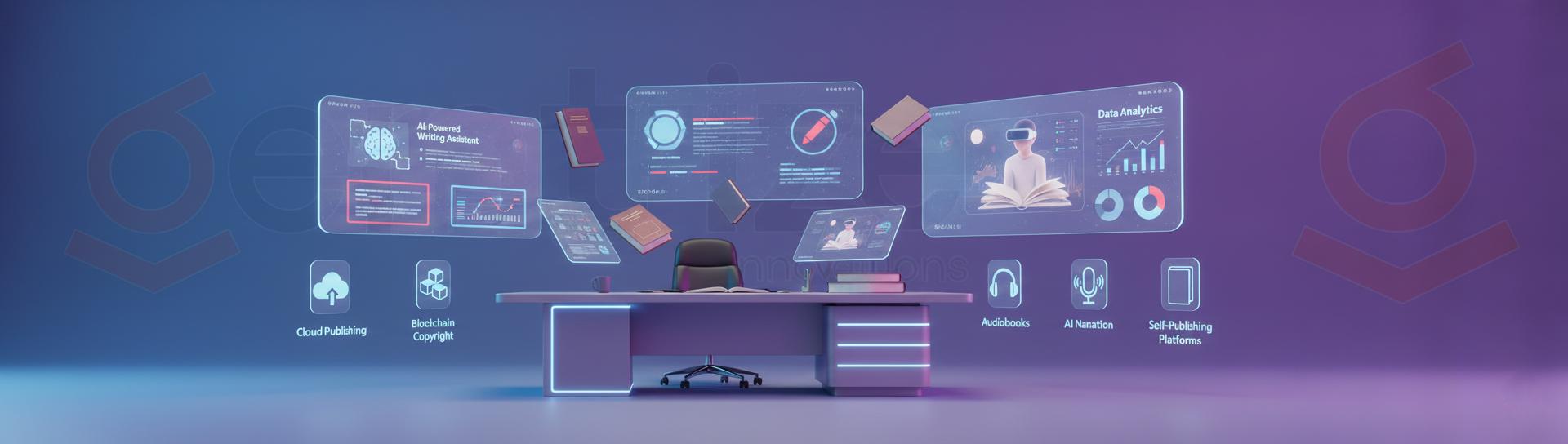
Digital publishing is also expected to be a major force in the coming years, with audiobooks, ebooks as well as digital-first titles being the norm. They provide convenience and accessibility and audiobooks are a popular choice for increasing numbers of people who want to access media on the move. While the number of people who listen to audiobooks continues to increase as more publishers and authors are likely to embrace the method, resulting in a wider variety of audiobooks.
2. AI and Automation in Publishing
Artificial Intelligence (AI) is now making waves in the publishing industry as well as its impact is only expected to increase in 2025. AI-powered devices can help with every aspect of proofreading and editing to designing cover designs and marketing materials for books. In one instance, AI can analyze writing patterns and offer suggestions for enhancements, assisting authors in enhancing their manuscripts prior to submitting. In the same way, AI-powered tools are able to identify trends in the market, offering publishers important insights about what the readers prefer and aiding in the creation of content.
In addition, automating the publishing process can streamline processes, making it simpler and less expensive to bring books on the market. From automatic formatting tools to marketing strategies based on AI, automation can help publishers lower costs, save time as well as increase overall efficiency.
3. Personalized Reading Experiences
Technology advances and also does the capability to tailor reading experiences for each individual. By 2025, we could anticipate publishers to make use of data algorithms and machine learning to give readers personalized recommendations for content. Recommendations for books for platforms such as Amazon and Goodreads will be more precise, allowing readers to find books that match their individual preferences and the way they read.
The publishers will also explore interactive content, which allows users to get more involved in the text. Augmented Reality (AR) as well as VR (VR) technology may provide exciting new possibilities for storytelling that are interactive and immersive experiences that transcend typical texts.
4. Sustainability and Eco-Friendly Publishing
As environmental concerns grow, sustainability, the publishing business has become more conscious of the environment. By 2025, publishing companies will continue to follow environmentally friendly practices like making use of sustainable paper and reducing carbon footprints as well as offering print-on-demand services. The aim is to minimize waste and make sure that manufacturing processes are the most sustainable one that is possible.
In the case of digital publishing, impact on the environment is also an issue, especially as the power consumption in data centers rises. Therefore, publishers as well as digital platforms are likely to be focusing on sustainable energy strategies to decrease the environmental impact of their operations.
5. Blockchain and Copyright Protection
Blockchain technology, which is renowned for its transparency and security and transparency, is also expected to have a greater impact on the future of publishing books. By 2025, blockchain technology will revolutionize the way authors, readers, publishers and authors communicate. Blockchain could provide a safe and a transparent method of tracking royalty payments, book ownership as well as digital rights management. It can help ensure that authors receive fair compensation for their efforts and work, despite the fact that digitization becomes a growing issue.
Blockchain is also a great tool to make digital collections as well as unique versions of books, giving users a fresh way to connect with their favourite authors and work.
Conclusion
The outlook for book publishing by 2025 promises to be exciting thanks to technological advancements that provide exciting opportunities for authors readers, publishers and authors. With the growth of self-publishing, AI-driven publishing processes, to personalised experience for readers and sustainable methods, the publishing book publishing industry is set to continue evolving to make books more accessible, enjoyable and sustainably. Be aware of the latest trends will help you stay on top of the ever-changing landscape, and benefit from the possibilities that the future has in the field of publishing books.