The field of medical arts that combines health care with visual and creative disciplines has undergone a major shift due to digitization. Starting with medical illustration, to the most advanced imaging methods digital technology is enhancing the scientific and artistic aspects of health care. In this article, we look at how digitization is changing the field of medical arts as well as the advantages it offers to healthcare professionals as well as patients.
One of the most obvious developments in medical illustration is the transition between traditional and digital medical illustration. Medical illustrators use sophisticated digital tools, like graphics design software as well as 3D modeling software that produce highly precise and precise representations of the human body as well as surgical procedures and health conditions. Digital illustrations offer more accuracy and versatility than traditional techniques and are a valuable instrument for research, teaching as well as patient education.
Digitalization allows medical illustrators to produce dynamic and animated material. It means that patients as well as medical students can interact with images in an engaging method, exploring the various levels of anatomy, or observing intricate medical procedures moving. This is not just beneficial to learning, but helps in understanding and better decision-making during the medical field.
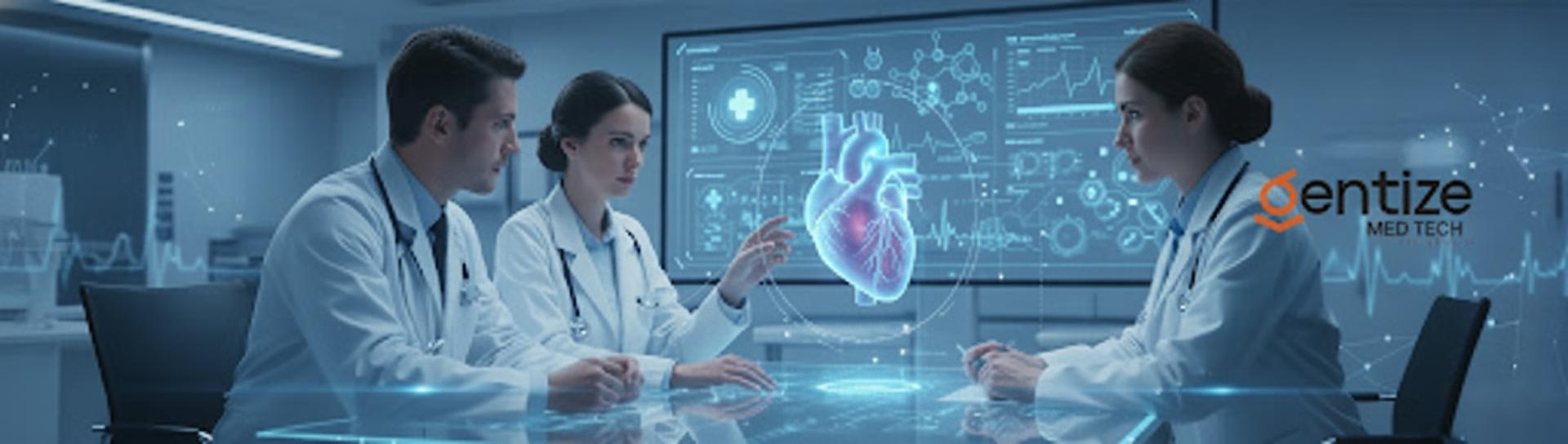
Another major effect of digitalization on the field of medical art is the incorporation of 3D imaging in surgical and medical school. 3D imaging techniques include CT scans or MRIs give surgeons accurate, 3-D representations of the anatomy of patients. Digital representations enable surgeons to prepare and test procedures more efficiently, increasing chances of achieving successful outcomes.
For professionals and medical students the use of 3D visualization software has been a game changer in the field of training. Virtual dissections and organ models, 3D as well as interactive software for anatomy give students an engaging and practical approach to learning about the anatomy of humans. These tools can improve the precision and effectiveness of medical education, making sure that surgeons and doctors in the future are able to gain a better knowledge of human anatomy.
Education for patients is another field that digitalization is having significant progress. The medical animation can be employed to help explain complicated medical issues, treatments and treatments in a simple way. The animations are able to be customized specifically to patients' needs which helps them understand and grasp their medical condition as well as the treatments required as well as the process of recovery. This in turn improves patient involvement as well as better outcomes in healthcare.
The medical animations provide healthcare professionals with an efficient method of communicating the procedures to patients, decreasing anxiety as well as fostering confidence. If it's a film that describes how a procedure is performed or an animation that demonstrates how drugs work within your body. These electronic tools help patients gain a better knowledge of their medical experience.
Augmented Virtual Reality (AR) as well as Virtual Reality (VR) are taking on a greater role in the field of medical art specifically in the field of surgical training and medical education. VR allows professionals and students to experience an immersive and interactive space, which allows them to learn procedures as well as communicate via virtual patient. AR however, on the contrary aspect, improves the surgical simulations in real life by overlaying digital data including patient records as well as 3D anatomical models, on the surgeon's vision while performing surgery.
Both AR as well as VR have revolutionized the way doctors learn and practise. Combining creativity with the latest technology, these devices allow doctors and artists to improve their abilities and increase their accuracy within real-world scenarios.
Digital platforms also facilitate collaboration across the medical arts sector. Illustrations and healthcare professionals and teachers can collaborate with digital art and medical-related visuals across various platforms. This collaboration approach results in the exchange of information faster which ensures the most current technologies in medicine are available to healthcare professionals around the world.
Additionally, it permits medical practitioners to present their work to a worldwide public, extending the scope of their work. Through galleries online, virtual exhibitions or even digital publications the artists are able to share their experience and experience with a greater audience than they ever have previously.
Digitalization will undoubtedly transform the field of medical art with innovative instruments and strategies that can benefit the professionals as well as patients. From medical illustration and 3D visualizations, to the full-immersive VR and AR technology, the medical field embraces the next generation. With the speed at which digital technologies continue to advance, medical professions will have an increasingly important role in influencing healthcare education as well as patient communications and the precision of surgical procedures. In medical fields keeping up-to-date with technological advances is crucial to ensure that they can meet the requirements of contemporary health care.