Animation encompasses more than motion pictures. Animation is a technique for telling stories through motion. If we see a movie, or an animated TV show or video describing the offerings of companies you are witnessing an intricately planned story which is brought to life with animation. Video storytelling is an effective method that is able to stir emotions, send efficient messages and produce memorable moments.
Knowledge about the five phases of animation is vital not only for animators who have years of experience, but also for those who are students, enthusiasts or firms looking to utilize animation to promote their products. Each stage is an element of ensuring that the final product is seamless and visually stunning. This entire process is precise, precise ingenuity, comprehensive, and systematic all at once.
At Gentize Innovations we have observed on our own the way the process of planning animation is more than creating beautiful videos, but it also helps enhance the level of participation, retention, and knowledge. It doesn't matter which type of video you're creating or whether you're using an explainer or an animation interactive web-based commercial. Knowing the five basic steps to animation is the most important factor to distinguish between a common production from one that's exceptional.
Prior to getting into the complexities of this topic Here's an overview of the actions:
The entire guide covers every step in detail, providing an understanding of the methods used in each stage, along with tips for both learners and artists. In the final chapter, you'll be able to see how a basic idea could be turned into a piece of animation.
The phase prior to production is often the most important phase in animation. It is the first phase of the project in which the goals, objectives and targets and developing technical specifications prior to the commencement of motion.
Each animation starts with the creation of a concept. Conceptualization is the process by which writers, directors, animators and writers consider and decide on the main idea, thematic or reason for the film. In this step, you must take into consideration:
The students in this stage will assist students to comprehend the significance of learning by being capable of understanding the mental requirements of their audience as well as stimulating creative thinking compatible with the goals of the venture. In the context of business, this will ensure that your content conveys exactly the message you're trying to communicate to the audience you're hoping to draw.
When the fundamental concepts are comprehended, the next stage is writing the plot. Writing converts abstract ideas into a coherent narrative. A good script must:
It acts as a guideline that can be used by animators, designers, and directors in order to ensure that the narrative is properly and naturally conveyed. Without a written script, the most stunning animations might fail to convey the message clearly.
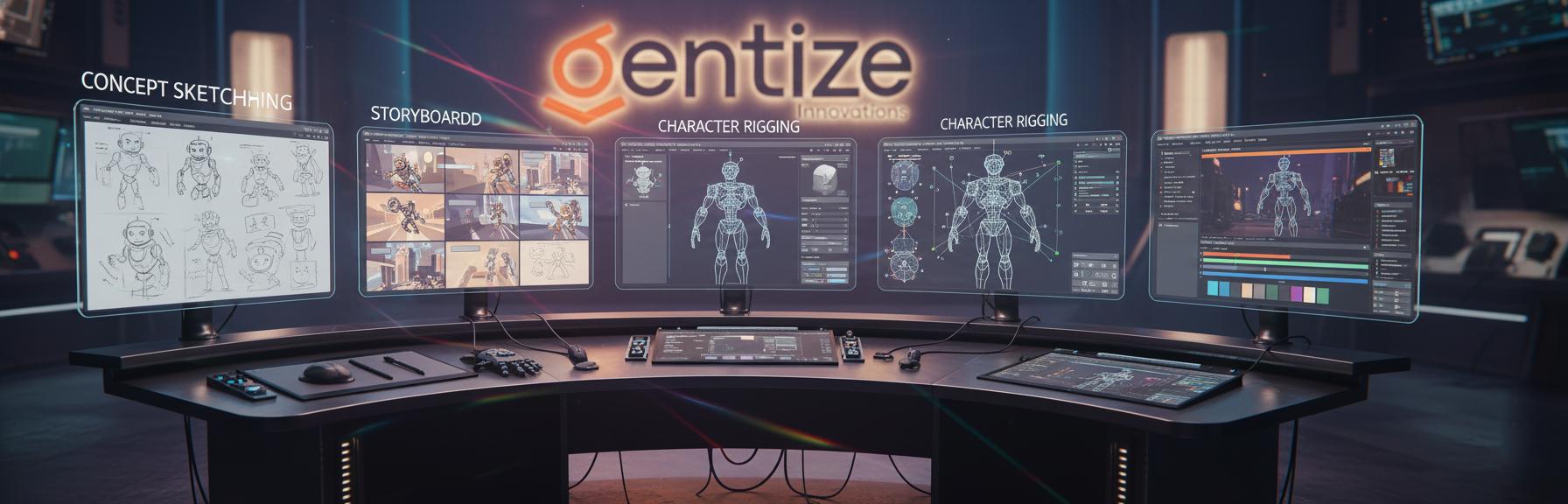
The next step after the scripting stage is a process called storyboarding to illustrate the visuals written in the script. Think of it as the visual representation of each image, camera angle or where the actors are located, as well as the movements. Storyboards can be used by animators
Students will gain many things from this course because it aids with the development of visual capacities to consider and plan in addition to an understanding of the filmic story. The process will also save money and time during the subsequent phases since the changes can be made much more easily prior to the beginning of the film process.
The process of production prior to filming includes the creation of characters, as well as the location. Each element from color to costumes influences the perception of the audience as well as their reactions to the movie. Designers design costumes, props and settings carefully, constructing the design of the visuals as well as the aesthetic style.
The procedure of pre-production ensures that the design is properly arranged in a well-organized way and is ready to be made into the production process. This is the moment where creativity and the brain of a strategic thinker meet.
Production is the stage where innovative ideas take the shape that are. Animation artists and designers design every item of material that will be later used in the animation.
To make 2D animations The method involves creation of
Every piece of art was created according to the storyboard or script. It is crucial to ensure consistency. Also, the proportions and designs and colors need to be consistent across each frame in order to assure visual consistency.
For the creation of 3D animated films, this process to create it requires a lot of knowledge along with a wide range of techniques
Rigging plays one of the most important elements in the 3D world of animation. Without it the model may appear flawless but may not have the realistic motions. Face rigging helps animators communicate their feelings and helps in the motion of the human body.
Production is also about the organizing assets to be organized. Labels, name tags and folders aid in an efficient and effective collaboration among workers. Gentize Innovations is a firm believer in a well-organized method that cuts down on the amount of time and guarantees top-quality output.
The stage lets objects and people come to life. More than just motion elements, it's all about emotions, timing, as well as telling stories with the use of the motion.
The professionals of animation employ various rules in order to produce captivating, visually appealing motion
Small details like a flashing hair's movement or a slight shift in posture could provide a clue to attitude and character.
Animation in 2D can include:
Each method requires meticulous planning and a keen attention to every detail to guarantee an optimum physical as well as psychological impact.
For the creation of 3D animations that animators work on equipment so that they are able to alter the animations
Timing as well as the acting style and body language are vital. The animators need to ensure that their viewers are connected to the characters they design and comprehend the story with no confusion.
Animation is the place where the talent of animators is in tandem with the creativeness that comes from. Every gesture is carefully planned and executed in order to enhance the story.
Rendering is the method utilized to create videos with animation in order to produce elegant, professional looking images. This is a process that involves the calculation of shadows and light in addition to reflections and texture to make the final picture as well as the video.
3D rendering is difficult to create because it replicates realistic light, texture and materials. An appropriate rendering strategy is essential to ensure that the end results appear elegant and appealing. Students and designers must be aware that rendering could be artistic as well as technically oriented. The modification of the light or the texture of an image will drastically impact the aesthetics of the picture.
Motion graphics undergo rendering. This means:
Gentize Innovations highlights rendering that's effective and also of high quality. It creates stunning photos with high-quality images that aren't compromising.
Post-production is where the various components come together for the creation of an animated final. This process blends technology and creativity.
Editors alter scenes, altering the pace and ensure smooth and seamless transitions. Editing post-production ensures that the story is told smoothly and keeps the audience engaged throughout the entirety of the film.
The sound is a vital element in animation. Background music and voiceovers as well with sounds, add authenticity and the sense of depth. Sound design helps to enhance the story by generating emotion in addition to the atmosphere and tension.
Color correction assures consistency of visuals across diverse settings. Compositing blends various layers (background images, characters backgrounds background, images) for the purpose of creating one picture. This process improves the appearance of the image as well as improves its overall quality.
After all the elements are clean, the animation could be converted into formats suitable for:
captions as well as branding, subtitles and captions can be included in the video, and the video will be suitable to viewers with disabilities. Post-production converts the video that's not completed to an elegant, polished and highly engaging item.
The five stages of animation are not simply the procedural components. They provide the basis for animation professionals.
for students knowing these steps will give students a solid foundation for studying and improving their technical abilities and also understanding the complexities of animation. For companies The steps will guarantee that the animations work and will also improve the reputation of the company and draw the attention of viewers.
An analysis of the five phases of animation can also demonstrate that quality animation isn't just impulsive or random. It's thought out, strategically and innovative. Companies and experts such as Gentize Innovations follow these stages with care to ensure high-quality outputs that meet both aesthetic and practical requirements.
Animation has a powerful effect on storytelling as well as marketing and teaching. With the knowledge of the five phases of the animation industry, entrepreneurs and creators have the ability to turn their thoughts into engaging and inspiring images. Every step at pre-production and continuing to post-production is crucial to the degree of engagement in the final product, as well as quality and efficiency of the finished product.
Gentize Innovations combines creativity, technological advancement, and efficient workflows to create animated videos that are not only visually beautiful, but are also useful. No matter if you're a college student beginning your journey into animation or are a company looking to boost brand awareness, getting the five stages in animation is the first step in creating engaging professionally-produced and unforgettable animation.